



Why Miami Is a Strategic Hub for Consumer Goods Distribution
Miami has become one of the most strategic locations for companies involved in consumer goods procurement, distribution, and international trade. Its geographic position, logistics infrastructure, and access to regional markets make it an ideal base for companies looking to move branded products efficiently across multiple channels.
By Julio Osorio
3/23/20262 min read
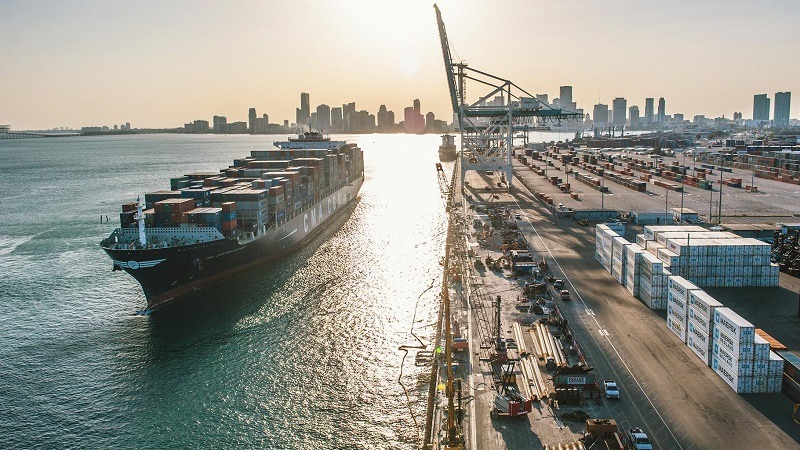

In today’s competitive consumer goods landscape, location plays a critical role in how efficiently inventory can be sourced, moved, and distributed. For companies involved in procurement, wholesale trade, and multi-channel distribution, Miami offers a unique strategic advantage.
As a major gateway between the United States, Latin America, and the Caribbean, Miami provides strong access to both domestic and international markets. This makes it especially valuable for companies that work with branded consumer goods and need flexibility across multiple sales channels, including wholesale, export, retail, and selected e-commerce operations.
One of Miami’s greatest strengths is its connectivity. Companies operating from this region benefit from access to major transportation routes, shipping infrastructure, and a business environment that supports international commerce. For distribution-focused businesses, this creates a practical advantage: products can move faster, partnerships can scale more efficiently, and market access becomes more dynamic.
Miami is also a strong base for companies that manage inventory across diverse categories such as household goods, personal care, food and beverage, and other fast-moving consumer products. In these sectors, reliability and speed matter. A well-positioned distribution company must be able to support consistent inventory flow, adapt to changing market demand, and maintain strong supplier relationships. Miami provides the commercial environment to support that kind of operation.
Another important advantage is channel diversification. In modern distribution, success is rarely built around one single market or one single platform. Companies need the ability to move goods through different downstream channels depending on product fit, demand, and geography. A strategic location like Miami supports that model by allowing businesses to operate with a broader and more scalable view of commerce.
For procurement and trade companies, being based in Miami also strengthens credibility. It signals international reach, operational readiness, and access to regional opportunity. That matters when building relationships with recognized brands, suppliers, and commercial partners who value professionalism, consistency, and long-term growth potential.
At Viterna, we see Miami not just as a location, but as a strategic operating advantage. It supports the way we approach branded consumer goods: through direct sourcing, structured distribution, and a long-term vision for sustainable commercial growth.
As the global movement of consumer goods becomes more interconnected, companies that combine strong sourcing with strong positioning will continue to create better opportunities across multiple markets. Miami remains one of the places where that model can thrive.